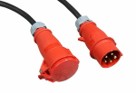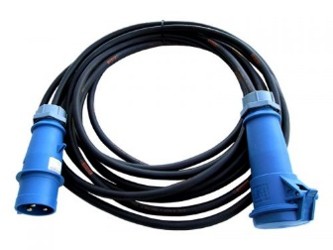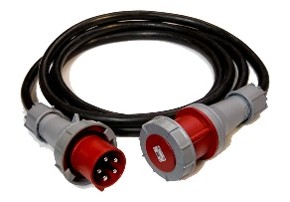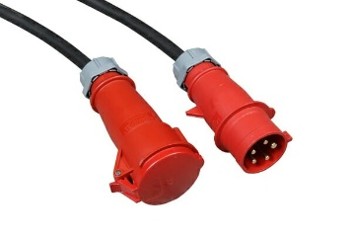
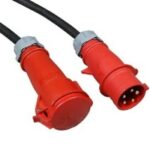
32A 3PH (5‑Pin) 25m Cable – Plug & Socket (IP54)
Heavy-duty 32A three‑phase power cable for reliable high-load site connections
Engineered for high-demand applications, the 32A 3‑phase (5‑pin) 25m cable delivers reliable and efficient power distribution for a wide range of industrial and site environments. Constructed using HO7‑rated cable, it provides excellent durability, flexibility and resistance to harsh working conditions, making it ideal for construction, infrastructure, events and temporary power installations.
Fitted with robust 32A 5‑pin plug and socket connectors, this cable is designed to safely handle three‑phase power, supporting heavier-duty equipment and ensuring consistent performance on site. The IP54 rating offers protection against dust ingress and water splashes, making it suitable for outdoor and semi-exposed use.
With a 25 metre length, it allows for flexible equipment positioning across site setups, while its 15.75kg weight reflects its heavy-duty construction and high-capacity capability.
Perfect for connecting generators, distribution boards and larger equipment, this cable is a dependable solution for high-load temporary power requirements.
No Obligation Quote
Get in touch for a free, no obligation quote today!
To get in touch, call us on 03300 535622 or request a price below.
We’ll get back to you with a quote within the hour!